For a growing business, warehousing and distribution involve much more than finding space for stock and sending orders out the door.
As order volumes rise, businesses need to manage warehouse space, staff, inventory, picking and packing, dispatch, delivery coordination and returns. For brands selling through several channels, the process becomes even more complex.
This is why many businesses consider outsourcing warehousing and distribution to a third-party logistics provider.
Instead of building every part of the operation internally, you can use established warehouse infrastructure, fulfilment processes and distribution support as they grow.
The need is becoming more important in Australia. According to the Australia Post eCommerce Report 2026, 82% of Australian households shopped online in 2025, while 69% of shoppers wanted a range of delivery options. For ecommerce brands, warehouse and delivery performance are increasingly connected to the customer experience.
Focus More Time on Growing Your Business
Running your own warehouse takes time.
Your team may need to receive stock, manage inventory, recruit warehouse staff, pack orders, organise dispatch, process returns and deal with daily operational problems.
These tasks are manageable when order volumes are small. As the business grows, however, warehouse operations can begin taking time away from product development, marketing, sales and customer acquisition.
Outsourcing allows businesses to move much of this daily workload to a specialist team.
Instead of spending more internal resources managing warehouse operations, your team can focus on the parts of the business that drive growth.
Reduce Fixed Warehousing and Operating Overheads
Operating your own warehouse involves more than rent.
Businesses may also need to invest in racking, warehouse equipment, systems, staff recruitment, training, packaging materials and additional labour during busy periods.
This does not mean a 3PL is automatically cheaper for every business. A company with stable volumes and an efficient internal operation may still prefer to manage fulfilment itself.
The advantage of outsourced warehousing is flexibility.
Rather than continually adding permanent warehouse space, equipment and staff, businesses can use warehouse resources based more closely on their actual inventory and operational requirements.
CSG’s 3PL warehousing services in Australia support pallet storage, cartons, loose goods, bulk inventory, pick locations and other warehousing requirements within an established 3PL operation.
Improve Inventory Visibility and Order Control
Inventory becomes harder to manage as SKUs, sales channels and order volumes increase.
A simple stock spreadsheet may work when a business carries a limited product range. It becomes less reliable when the warehouse needs to manage hundreds of stock movements, returns and orders each day.
Poor inventory control can lead to stock discrepancies, overselling, delayed picking and incorrect dispatch.
A structured 3PL operation connects receiving, putaway, storage, picking, dispatch and returns into one inventory workflow.
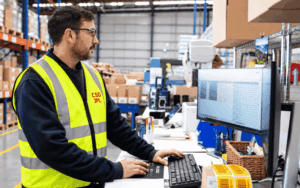
Through inventory management services, businesses can manage stock movements across receiving, storage, allocation, pick and pack, dispatch, returns and reconciliation. Barcode-supported processes and system records also provide clearer visibility over available and allocated stock.
Scale Warehouse Capacity as Your Business Grows
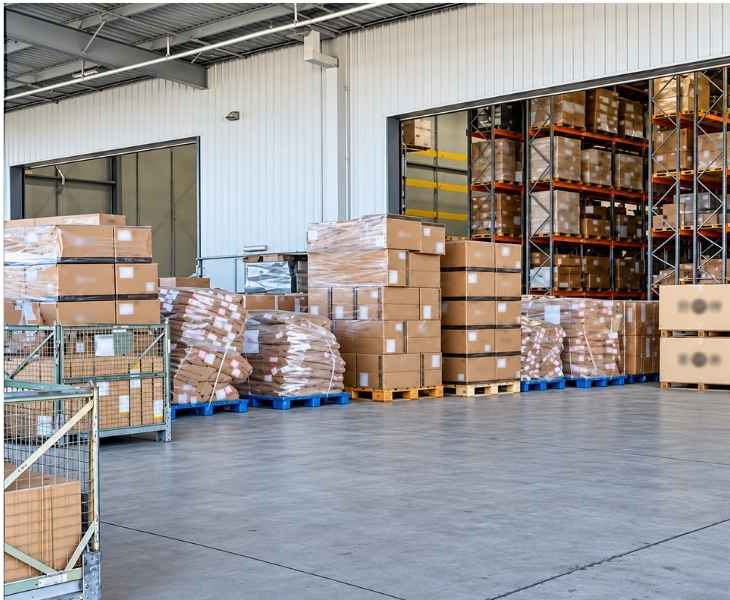
Growth should not mean rebuilding your warehouse every year.
More orders usually bring more inventory, more SKUs and greater pressure on warehouse space. Businesses may eventually need additional racking, more staff and larger picking and packing areas.
Outsourcing creates another option.
Instead of expanding the entire infrastructure internally, a business can use the space and operational resources of an established 3PL.
This is particularly useful for growing ecommerce brands, retailers, wholesalers and overseas businesses entering Australia.
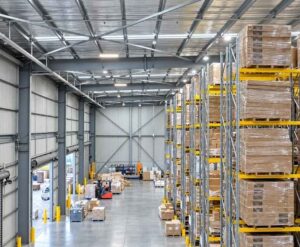
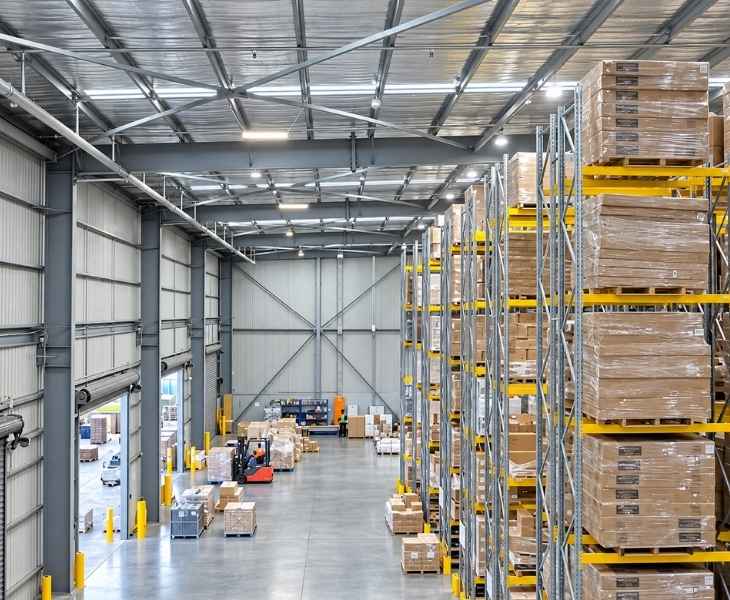
CSG 3PL currently operates with 60,000 m² of warehouse space in Melbourne and more than 20 years of local Australian warehousing experience, providing an existing operational base for businesses that need room to scale.
Access an Experienced Warehouse Operations Team
Warehousing is not simply storage.
A complete operation can include receiving, stock checks, putaway, inventory control, picking, packing, labelling, dispatch and returns.
B2B and D2C orders can also require very different workflows. D2C fulfilment often involves individual orders and parcel dispatch. B2B fulfilment may involve cartons, pallets, bulk quantities, retailer requirements and commercial delivery instructions.
By outsourcing these tasks, businesses gain access to an established warehouse team without having to recruit and train every operational role internally.
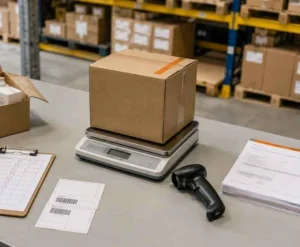
A professional pick and pack service from third-party logistics connects stock management with picking, packing, labelling and dispatch, while different workflows can be arranged around the business, SKU and order profile.
Handle Peak Seasons Without Building Permanent Capacity
Black Friday, Cyber Monday, Christmas, product launches and major promotions can create sudden increases in warehouse workload.
The challenge is that peak capacity may only be required for several weeks.
Building permanent warehouse capacity around the busiest period of the year can leave businesses carrying extra space, staff and equipment during quieter months.
A scalable 3PL operation gives brands another way to prepare for these fluctuations.
Additional stock can be received and organised before a campaign, while fulfilment workflows can be planned around higher order volumes.
This is especially useful for brands with seasonal products or promotional sales cycles where demand changes significantly throughout the year.
Simplify B2B and D2C Distribution
Warehousing is only half of the process.
Once an order has been prepared, the goods still need to reach the right destination.
D2C distribution may involve individual parcels going to residential customers. B2B distribution can involve cartons or pallets moving to retailers, distribution centres and commercial addresses.
Each shipment can have different requirements based on size, destination, timing and delivery type.
Through warehousing and distribution support, businesses can connect warehouse dispatch with third-party carrier coordination. CSG supports deliveries to customers, retailers, distribution centres and commercial locations, while helping businesses select suitable carrier options for different shipment requirements.
This is an important distinction: CSG is not simply storing inventory. The warehouse operation connects directly with the next stage of the fulfilment journey.
Connect Warehousing, Fulfilment and Distribution
The strongest benefit of outsourcing is often not one individual service.
It is the ability to connect the whole process:
Receiving → Storage → Inventory Management → Pick & Pack → Dispatch → Distribution → Returns
When these stages are managed separately, businesses can end up working with different warehouse teams, spreadsheets, systems and delivery providers.
A connected 3PL operation reduces those handovers.
Returns can also move back into the inventory process. CSG’s returns management services cover receiving, inspection, grading, inventory updates and restocking or other agreed processing for returned products.
The result is a more structured flow of inventory from arrival through to delivery and, when needed, back into the warehouse.
Why Outsource Warehousing and Distribution to CSG 3PL?
CSG 3PL is an Australia-based 3PL provider supporting ecommerce brands, B2B suppliers, retailers, wholesalers and growing businesses across Australia.
Rather than treating warehousing, fulfilment and distribution as separate tasks, CSG brings them into one connected operation.
Businesses can access flexible warehouse space, inventory management, B2B and D2C fulfilment, pick and pack, returns processing and Australia-wide distribution support through third-party carrier partners.
Eligible orders released before 2:00 pm can also be prepared for same-day dispatch, helping businesses maintain a more consistent order flow.
If warehouse space, inventory complexity or distribution workload is beginning to hold your team back, outsourcing does not have to mean losing control of your operation.
It can mean building a more flexible operational base around the way your business actually sells.
Talk to us about your inventory, order profile and distribution requirements to build a warehousing and fulfilment solution around your next stage of growth.