Introduction

For Australian ecommerce brands, a reliable 3PL partner does much more than store products and ship orders.
Your fulfilment partner plays an important role in customer experience, delivery performance, inventory accuracy, and your ability to scale efficiently.
As customers continue to expect faster delivery, accurate orders, and a seamless purchasing experience, fulfilment has become a key part of building a successful ecommerce business.
However, choosing the wrong 3PL provider can create ongoing operational challenges, including inventory issues, delayed orders, poor communication, and unexpected costs — especially during peak periods such as Black Friday and the Christmas shopping season.
Whether you are looking for your first 3PL partner or considering switching from your current provider, choosing the right Australian 3PL is an important decision that can directly impact your brand’s long-term growth.
In this guide, we will explore the key factors to consider when selecting a 3PL partner, including warehouse capability, technology integration, pricing transparency, customer support, and flexible fulfilment solutions.
1. Warehouse Location and Operational Capability
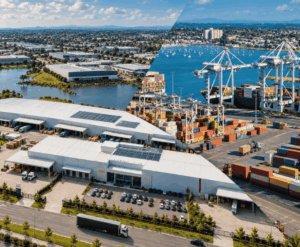
For Australian ecommerce brands, warehouse location directly impacts delivery speed, shipping coverage, and customer experience.
Australia’s ecommerce activity is mainly concentrated around major cities such as Melbourne, Sydney, and Brisbane. Working with a 3PL located in a key logistics area can help brands achieve more reliable delivery times and better nationwide coverage.
Compared with overseas fulfilment or cross-border solutions, an Australian-based 3PL provides the advantage of being closer to local customers. This allows brands to improve delivery consistency, manage inventory more effectively, and resolve operational issues faster.
For growing ecommerce brands, local fulfilment can support:
- Faster domestic delivery
• More predictable shipping times
• Better inventory control
• Easier communication and issue resolution
However, warehouse location is only one part of choosing the right 3PL partner.
Operational capability is equally important.
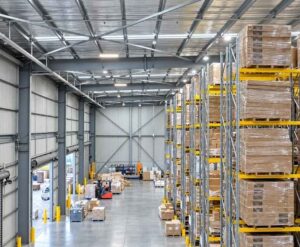
Many brands focus on warehouse size, but the more important question is whether the 3PL has the right systems, processes, and team capacity to manage inventory accurately and support future growth.
During peak sales periods such as Black Friday and Christmas, order volumes can increase significantly within a short period of time.
Without effective warehouse processes and inventory management systems, brands may experience:
- Inventory discrepancies
• Increased picking errors
• Order processing delays
• Stock shortages
• Overselling issues
A strong 3PL partner should not only support your current requirements but also have the capability to handle future business growth.
2. Technology Integration and Multi-Channel Fulfilment Experience
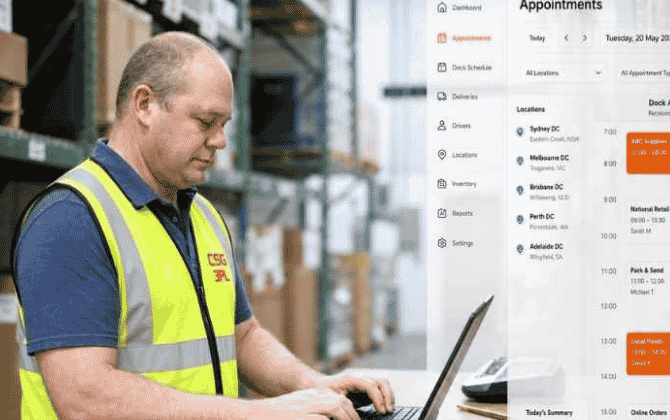
As ecommerce continues to grow, many Australian brands operate across multiple sales channels, including Shopify, WooCommerce, Amazon, eBay, and their own online stores.
Modern 3PL providers are no longer simply warehouse operators. They need to connect with your ecommerce platforms and systems to ensure smooth order processing and accurate inventory management.
Through ecommerce integrations, ERP connections, or API solutions, brands can achieve:
- Automated order syncing
• Real-time inventory updates
• Reduced manual processing
• Improved fulfilment accuracy
• Lower risk of overselling
For growing brands, having a 3PL partner with strong technology capabilities makes it easier to manage increasing order volumes and expand into new sales channels.
For brands supplying wholesale customers or retail partners, choosing a 3PL with B2B fulfilment experience is equally important.
Australian retailers often have strict delivery requirements, including SSCC labelling, carton labelling requirements, pallet standards and DIFOT performance.
A lack of retail fulfilment experience can result in delivery delays, rejected shipments, or additional operational costs.
For brands selling through both D2C ecommerce channels and retail networks, working with a 3PL that understands both fulfilment models can provide a stronger foundation for long-term growth.
3. Transparent Pricing and Total Fulfilment Cost
Cost is an important factor when selecting a 3PL provider, but the lowest price does not always represent the best value.
Many brands discover that the biggest challenge is not the initial quote, but a lack of visibility into the total fulfilment cost.
A complete fulfilment cost may include:
- Receiving fees
• Storage costs
• Pick and pack fees
• Packaging costs
• Freight charges
• Returns processing
• Special handling requirements
When pricing is unclear, brands may spend unnecessary time reviewing invoices instead of focusing on product development, marketing, and business growth.
A transparent 3PL provider should clearly explain the cost structure of 3pl and help brands understand the full operational picture before starting the partnership.
Shipping is also a major part of overall fulfilment costs.
A capable 3PL partner should understand different shipping requirements and provide suitable carrier solutions based on product size, delivery location, and required service level.
Established 3PL providers often work with multiple Australian carriers, such as Australia Post, Aramex, Toll, CouriersPlease, and Allied Express, allowing brands to access reliable delivery options while improving freight efficiency.
4. Dedicated Account Management and Support
Choosing a 3PL is not just choosing a warehouse. It is choosing a long-term operational partner.
While most orders will process smoothly, issues can happen in any fulfilment operation, including parcel issues, inventory discrepancies, urgent order changes, shipping problems, and customer complaints.
A dedicated account manager can help with faster communication, internal coordination, issue resolution, and process improvements.
5. Flexible Fulfilment Solutions for Different Business Models
Every brand has different products, sales channels, and operational requirements.
A strong fulfilment partner should provide more than storage and shipping. It should offer a solution that supports your current operations while adapting as your business grows.
Why Australian Brands Choose CSG 3PL
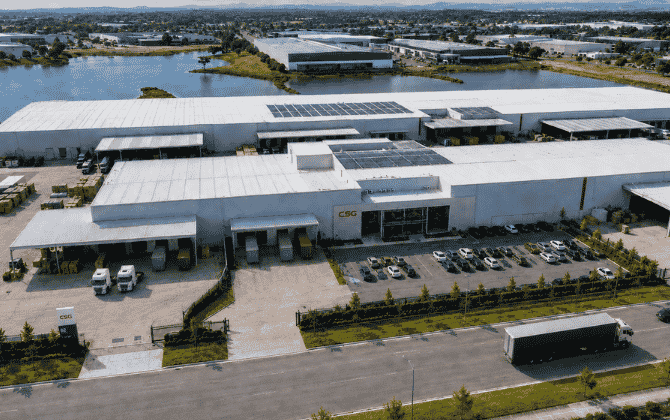
At CSG 3PL, we support Australian ecommerce brands with reliable fulfilment solutions, including:
- 99.9% fulfilment accuracy
- Same-day dispatch&DIFOT support
- Integrate With ANY Platform
- FIFO and FEFO inventory management
- Dedicated account management
- Transparent pricing
- Real-time inventory visibility
- Flexible fulfilment solutions
The goal of CSG is to simplify fulfilment operations, helping brands spend less time managing logistics and more time focusing on product development, marketing, and growth.
Frequently Asked Questions
When should a brand consider using a 3PL?
When order volumes continue to grow, warehouse management becomes increasingly time-consuming, or the existing fulfilment model is no longer able to support business expansion, it is time to your consider bringing in a specialist 3PL.
How much does 3PL fulfilment cost in Australia?
3PL pricing depends on several factors, including order volume, SKU count, product type, packaging requirements, and required services.
What should I look for when choosing a 3PL provider?
When evaluating a 3PL partner, consider warehouse location, technology integration, inventory accuracy, customer support responsiveness, industry experience, and future scalability.