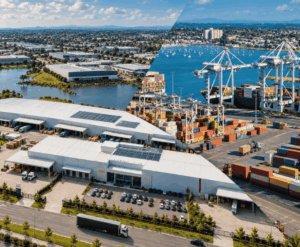
As Australia’s ecommerce market continues to grow, expanding brands are also facing greater fulfilment pressure, including order backlogs, dispatch delays, incorrect shipments and increasing customer complaints. More brands are turning to professional third-party logistics providers when their internal fulfilment capacity can no longer keep pace with business growth.
What Is Third-Party Logistics?
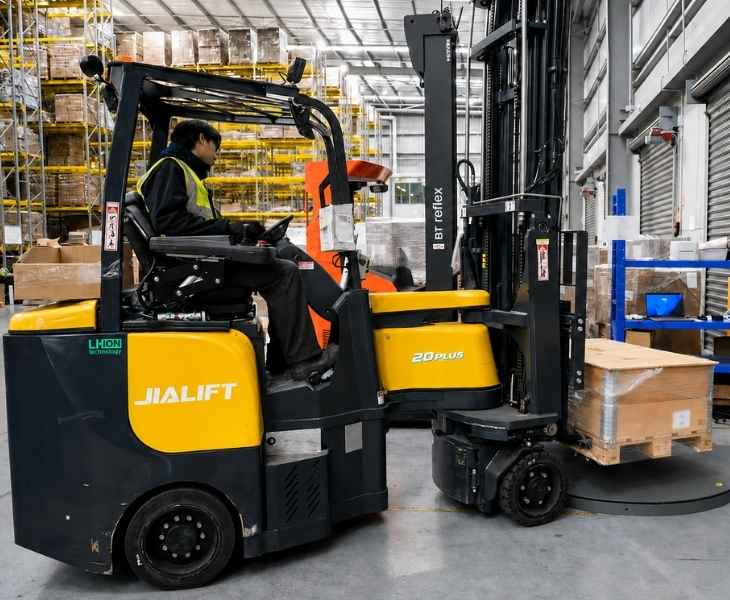
Third-party logistics, or 3PL fulfilment centres, is a model in which a business outsources inventory management, warehousing, picking, packing, shipping and other order fulfilment activities to a specialist fulfilment provider. This allows the business to focus on product sales and growth without having to manage its own warehouse and logistics operations.
What Does the 3PL Fulfilment Process Look Like?
1. Partnership Preparation
Needs Assessment and Solution Confirmation: Confirm the number of SKUs, monthly order volume, packaging requirements, transport needs and other operational details.
System Integration: The 3PL fulfilment centre connects your ecommerce platforms to its WMS, imports product information, automatically synchronises orders and inventory, and provides visibility of shipment status.
Set up inventory records, warehouse locations, batch numbers and expiry dates, and test orders to confirm that the workflow is operating correctly.
2. Receiving and Inbound Inspection
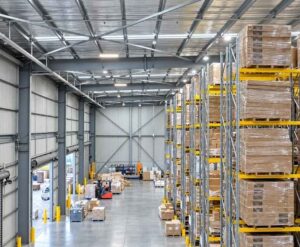
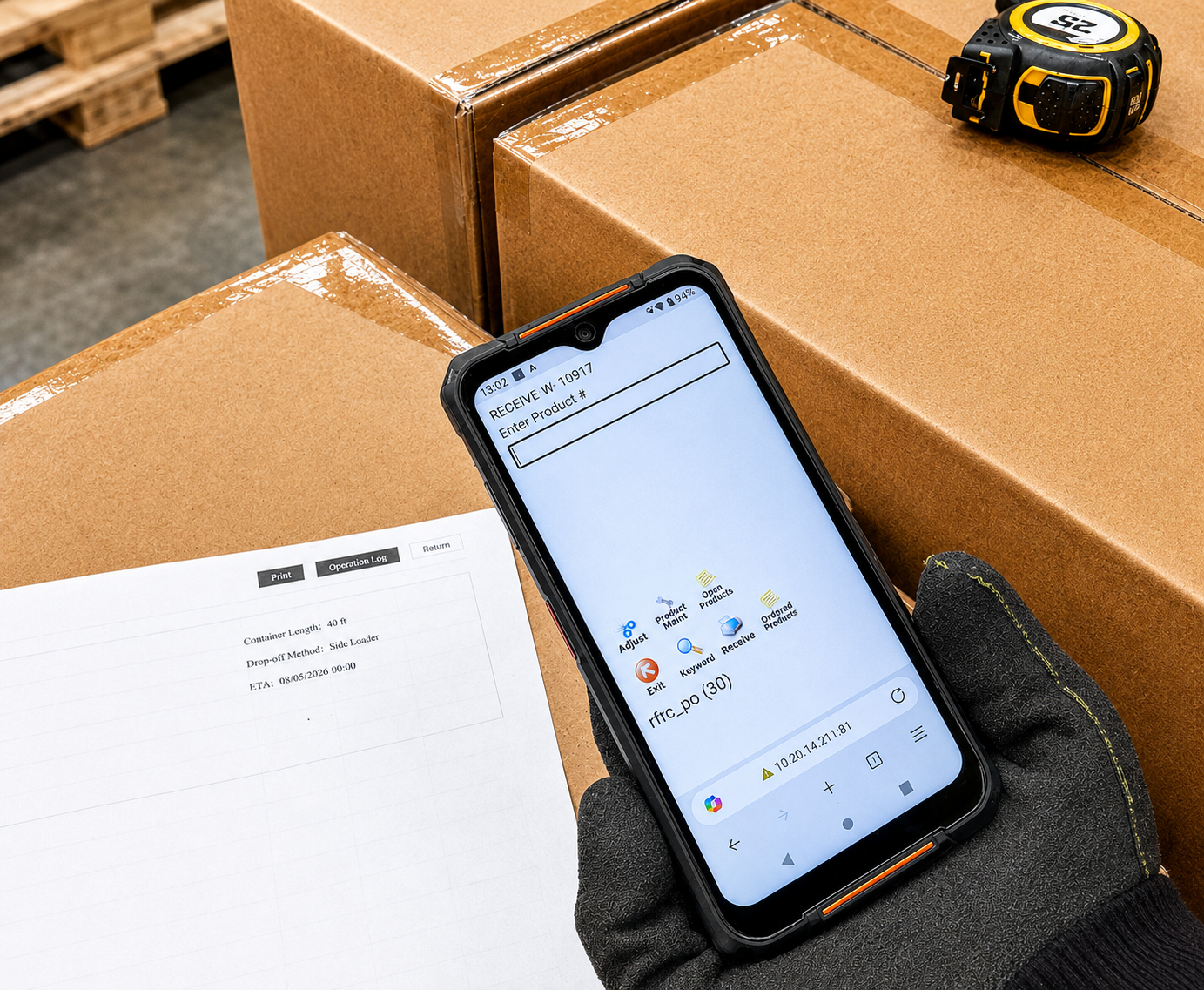
When goods arrive at the 3PL warehouse, the team unloads the shipment, checks the delivery documentation against the physical goods, sorts and counts inventory by SKU, and inspects the packaging and products for visible damage. Any issues are communicated promptly.
Once the inventory has been confirmed, products are barcode scanned into the WMS and stock data is synchronised with the ecommerce platform.
3. Warehousing and Storage
Each SKU is allocated to an appropriate storage location within the 3PL warehouse, with support for FIFO (First In, First Out) and FEFO (First Expired, First Out).
Storage fees generally depend on the space used and the number of pallets stored. When a customer places an order, the system automatically updates inventory and synchronises the latest stock position to help maintain inventory accuracy.
4. Picking and Packing
When your customer places an order through an ecommerce platform, the order is synchronised with the system in real time.
Warehouse staff pick the products according to the picking list and use barcode scanning for an additional verification step. Orders are then packed according to the ecommerce brand’s requirements.
Standard packaging is commonly used, while customised packaging and multiple packing options can be supported where a brand has specific requirements.
Learn more about CSG’s Pick and Pack Services.
5. Shipping and Delivery
Once the order has been packed, the 3PL provider arranges dispatch and last-mile delivery. The most suitable carrier and delivery method are selected according to the destination, parcel weight and configured shipping rules.
Because 3PL providers dispatch large order volumes each day, they often maintain long-term carrier partnerships with companies such as Australia Post, Aramex and Direct Freight. This can provide access to more competitive freight rates and help reduce the overall cost of fulfilment.
6. Returns Processing
A third-party fulfilment provider can receive returned parcels, inspect returned items, update inventory and process each return according to agreed rules, including restocking eligible products or placing items in quarantine storage.
Learn more about CSG’s Returns Management Services.
How Much Does 3PL Fulfillment Cost?
Costs vary for each brand depending on order volume, product type, packaging requirements and other factors. The main costs generally fall into four categories: inbound receiving fees, storage fees, pick and pack fees, and transport fees.
Inbound Receiving Fee: $15 per pallet, including unloading, quantity checking, inspection and system receiving.
Storage Fee: $6.00 per pallet per week, suitable for bulk-goods retailers, wholesalers, businesses with oversized products, manufacturers and importers.
Pick and Pack Fee: $0.60 per item plus an order processing fee of $3.00 per order. Additional charges may apply when special packaging is required.
Returns Fee: $3.00 per item, including returns receiving and put-away. Pricing may vary where special return-handling requirements apply.
Transport Fees: Primarily charged by the carrier, together with a small management fee. Freight charges are determined by:
- Delivery destination
- Parcel dimensions and weight
- Carrier
- Delivery service level, such as Standard, Express or Priority Delivery
- Additional services, such as Signature on Delivery, insurance, dangerous goods handling and remote-area surcharges
Pricing may vary depending on product type, storage requirements, order volume and any value-added services.
When Should an Australian Brand Switch to a 3PL?
- Monthly order volume exceeds 200 orders and your team spends two to three hours each day packing and dispatching orders.
- Your warehouse can no longer accommodate additional inventory and you need to expand or move to a larger facility.
- Orders are being dispatched late, incorrect parcels are being sent, customer complaints are increasing or store ratings are declining.
- You need to hire more employees to complete the fulfilment process and labour costs are taking up too much of your margin.
- Your business is expanding into a larger market and you want to maintain the same dispatch speed.
How Do You Choose a Reliable 3PL Fulfilment Partner in Australia?
Location
Choose a local 3PL based on the markets your brand primarily serves. Delivery speed is heavily influenced by warehouse location, particularly when customers expect next-business-day delivery. A warehouse located close to your main customer base can support faster delivery.
Seamless System Integration
A brand may sell through several platforms, and managing each channel separately can take a significant amount of time. 3PL fulfilment software such as a WMS and API can connect with multiple platforms, share inventory data and synchronise stock levels in real time, reducing the time spent manually checking inventory.
Explore CSG’s Ecommerce Fulfilment Services.
Clear, Transparent Pricing with No Hidden Fees
Ecommerce brands are not necessarily looking for the cheapest 3PL. They are looking for a third-party logistics provider whose total fulfilment cost is suitable for their ecommerce operations. Ask about the following:
- Inbound receiving fees
- Storage fees
- Pick and pack fees
- Transport fees
- Returns fees
- Any other additional fees
Experience with Similar Products
Ask whether the 3PL provider has worked with similar product categories. Understanding its previous operations, partnership models and common handling considerations can help you assess whether the provider is equipped to manage your order fulfilment.
Service Team
Signing an agreement is only the beginning of the partnership. During the ongoing relationship, your brand should have a dedicated account manager who can be contacted promptly and who can help resolve fulfilment issues such as dispatch delays or lost parcels. Resolving after-sales issues effectively can strengthen customer trust and support repeat purchases.
Warehouse Capacity
During major promotional periods such as Black Friday and Christmas, brands often face sharp increases in inventory and order volume. A large warehouse is more likely to have sufficient staff, space and systems to manage seasonal demand. Higher order volumes also require more advanced systems to maintain fulfilment efficiency, so warehouse scale often reflects stronger staffing, greater capacity and more developed technology.
Explore CSG’s 3PL Warehouse Services in Melbourne.
Why Do Australian Brands Choose CSG 3PL?
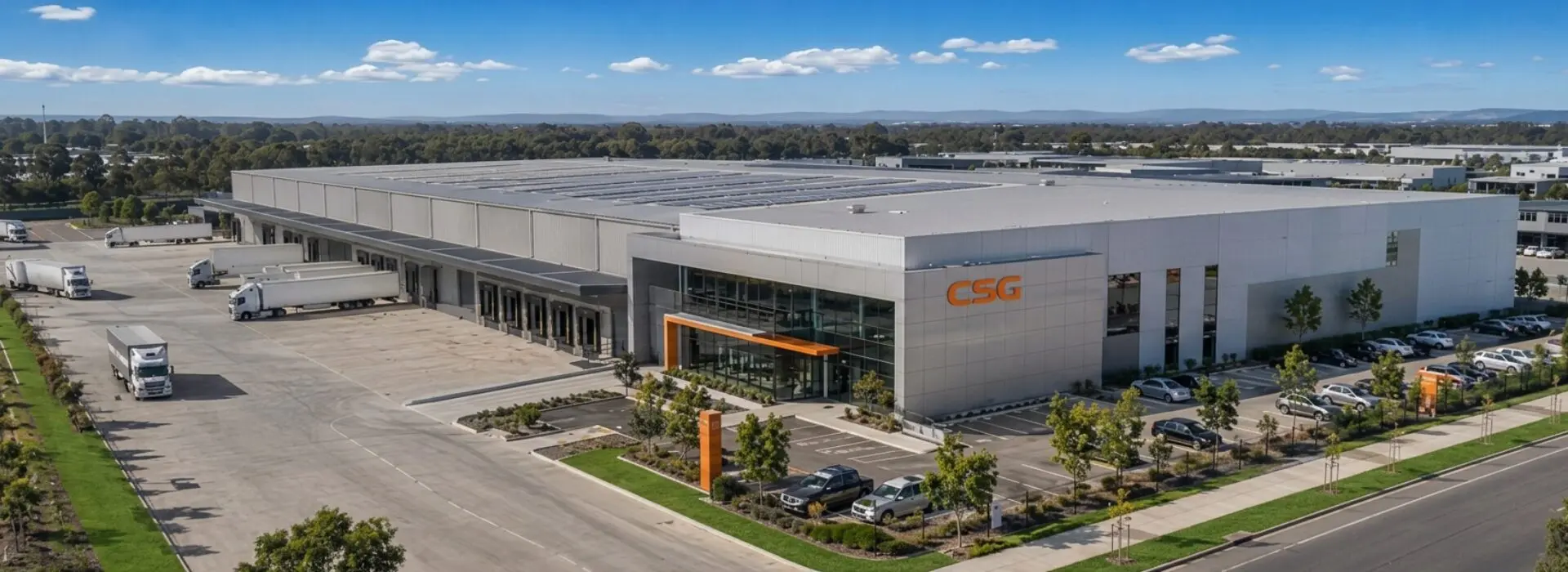
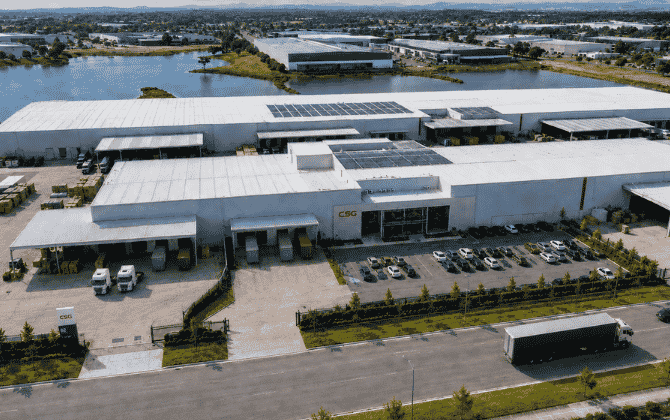
Melbourne-Based Fulfilment Centre — Same-Day Dispatch for Orders Placed Before 2:00 pm
Melbourne: next business day
Sydney and Adelaide: approximately two business days
Brisbane: approximately two to three business days
Other locations: approximately four to five business days
- Transparent Pricing with No Hidden Fees
- In-House ERP and EDI, with an Intelligent WMS Connected Seamlessly to Platforms such as Shopify, Amazon and eBay — 99.9% Fulfilment Accuracy
- Australian Compliance, Simplified
- Experience Supporting 5,000+ Ecommerce Businesses and Helping Brands Scale
Resource
According to the Australia Post eCommerce Report 2026, Australian consumers spent a record $82.6 billion online in 2025, an increase of 14% year on year.