How Much Does 3PL Costs in Australia?
Third-party logistics (3PL) offers an efficient solution for Australian businesses looking to streamline their supply chain management. Outsourcing logistics can be a game-changer for companies across various industries, whether you operate in eCommerce, retail, manufacturing, or any other sector. It saves time, reduces overheads, and improves customer satisfaction.
With all the potential benefits of using 3PL services, understanding 3PL costs in Australia is crucial for making an informed decision.
This guide breaks down the key factors in 3PL pricing, helping business owners make the right choice for a logistics partner.
What Is 3PL and What Services Are Typically Included?
Third-party logistics, also known as 3PL, involves outsourcing logistics and supply chain management to a third-party provider. Businesses partner with a 3PL provider to manage in-house functions, including warehousing, inventory management, and shipping. The goal is to reduce overhead costs, improve operational efficiency, and scale more quickly.
Typical services offered by 3PL companies in Australia include:
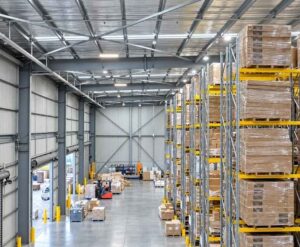
- Warehousing: Storing your products in their facilities.
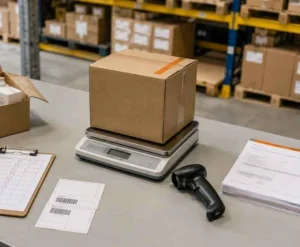
- Pick and Pack: Picking items from shelves and packing them for shipment.
- Freight Forwarding: Managing shipments between your business and customers, including international shipping.
- Inventory Management: Tracking stock levels, forecasting, and managing reorder points.
- Returns Handling: Dealing with product returns from customers.
Many 3PL providers also offer additional customisation options, such as labelling, kitting (assembling products before shipment), or packaging design, depending on your specific needs.
Key Factors That Influence 3PL Costs in Australia
- Type and Volume of Goods Stored
Different products require different storage solutions. For example, bulky or hazardous items may incur higher storage costs. Similarly, higher volume typically results in lower per-unit storage fees, so businesses that manage large inventories can benefit from scale.
- Storage Duration
The longer your products stay in a warehouse, the more you’ll pay. 3PL providers often charge based on short-term or long-term storage. Short-term storage is more affordable but may not be viable for businesses with slow-moving stock.
- Frequency and Complexity of Orders
If your business has high-order volumes or complex packaging and handling needs, expect to pay higher fees. For example, custom packaging, multi-part orders, or special labelling can increase costs.
- Warehouse Location
The location of your 3PL provider’s warehouse can significantly impact costs. Warehouses in major cities, such as Melbourne or Sydney, are typically more expensive than those in regional areas. However, proximity to major transport hubs can help reduce shipping costs.
- Technology and Software Integrations
A 3PL provider’s use of advanced technology, such as real-time tracking or automated inventory management systems, can influence the cost. Some providers may charge an additional fee for software integrations that sync with your business systems.
- Value-Added Services
Services like labelling, kitting, and custom packaging can add to the overall 3PL costs, but may be necessary depending on your business model.
Typical 3PL Pricing Models in Australia
Understanding the various 3PL pricing models is key to effective budgeting.
- Per Pallet / Per Bin Storage Fees: Many 3PL providers charge based on the amount of space your goods occupy. This can be on a per-pallet, per-bin, or per-square-metre basis.
- Pick and Pack Fees: Charges for picking and packing vary by order. Some 3PL providers charge per order, while others charge per item or per carton. The more complex the order, the higher the fee.
- Receiving Fees: Some providers charge fees for receiving stock into their warehouse. These may be billed by pallet or by the hour, depending on the amount of work involved.
- Shipping Costs: Shipping charges often depend on volume, distance, and the carrier used. Most 3PL providers integrate with various couriers to offer cost-effective shipping options for your business.
- Account Management or Monthly Service Fees: Some 3PL providers charge an ongoing service fee to manage your account. This fee typically covers customer service, reporting, and other administrative tasks.
Hidden Costs to Watch Out For
When reviewing 3PL costs in Australia, it is essential to consider any hidden costs that may arise during the partnership. Some of these include:
- Setup or Onboarding Fees: Some providers charge a one-time fee to onboard your business and set up your logistics processes.
- Minimum Monthly Spend Requirements: Some 3PL providers have minimum spend thresholds, and failing to meet them can result in additional charges.
- Returns Handling Charges: Handling returns can increase your costs, particularly if your business experiences frequent product returns.
- Storage Overage Fees: If your products exceed the agreed-upon storage limit, you may face additional fees.
- Integration/Customisation Charges: If you require software integrations or customisations of services, an additional charge may apply.
How to Compare 3PL Quotes Effectively
When comparing 3PL quotes, it’s important to request a detailed breakdown of costs. This will help you understand where your money is going and avoid any surprises. Consider the following:
- Cost vs Service Quality: It’s not always about choosing the cheapest option. Sometimes, paying a bit more for a higher level of service and reliability is worth the investment.
- Flexibility and Scalability: Ask about how the provider can scale with your business growth. Your logistics needs may change over time, so ensure your provider can adapt accordingly.
- Service Level Agreements (SLAs): These agreements outline the performance standards the 3PL provider commits to, such as order fulfilment times, accuracy, and responsiveness.
Tips to Reduce Your 3PL Costs Without Sacrificing Quality
Here are a few tips to optimise your 3PL costs while still maintaining quality service:
- Forecast Inventory More Accurately: Accurate forecasting can help you avoid overstocking, which can lead to unnecessary storage fees.
- Bundle SKUs: If possible, reduce the number of different products you store to simplify inventory and lower costs.
- Automate Ordering and Returns: Automating these processes can reduce labour costs and improve efficiency.
- Negotiate Based on Volume: If you consistently order large volumes, consider negotiating better rates with your provider.
- Consolidate Shipping: Combining multiple shipments into one can help reduce shipping costs.
Is 3PL Right for Your Business?
Outsourcing logistics to a 3PL provider can be a cost-effective solution, but it’s important to weigh the costs against the benefits. Conduct a cost-benefit analysis to determine whether it’s more economical than managing logistics in-house.
In most cases, businesses can save time, reduce overhead, and focus more on their core activities by partnering with a reliable 3PL provider, such as CSG 3PL.
Understanding 3PL costs in Australia is crucial for businesses aiming to optimise their supply chains and manage logistics effectively. By considering factors such as storage needs, order complexity, and hidden costs, you can make informed decisions when selecting a 3PL providers. Remember to look for transparency, clear pricing models, and flexibility in a partner to ensure a smooth, cost-efficient operation.
With over 20 years of experience, CSG 3PL provides end-to-end logistics and order fulfilment services across Australia and New Zealand. Call us at (03) 9117 6197 and get a tailored quote for your business.