Supply chain management in 2025 went through its challenges. Costs rose significantly, freight delays couldn’t be avoided, and deliveries became unpredictable. For many Australian small and medium-sized businesses, logistics has shifted from a background function to something that demands real attention and time.
This is where partnering with a 3PL for 2026 becomes an essential strategic decision. It can reduce exposure to risk, control costs, and create room to grow without overextending internal teams.
This article explores today’s supply chain challenges, how 3PL partnerships create advantages, and what to consider when choosing the right provider for long-term stability.
Supply Chain Challenges Businesses Are Feeling Right Now
Rising freight costs have gone from being an occasional hurdle to a standard part of budget discussions. It’s no longer just a case of a quick spike in costs; now they are a constant factor to consider. Fuel price fluctuations, labour shortages, and capacity constraints all tend to spread through the whole system, even when everything else seems steady.
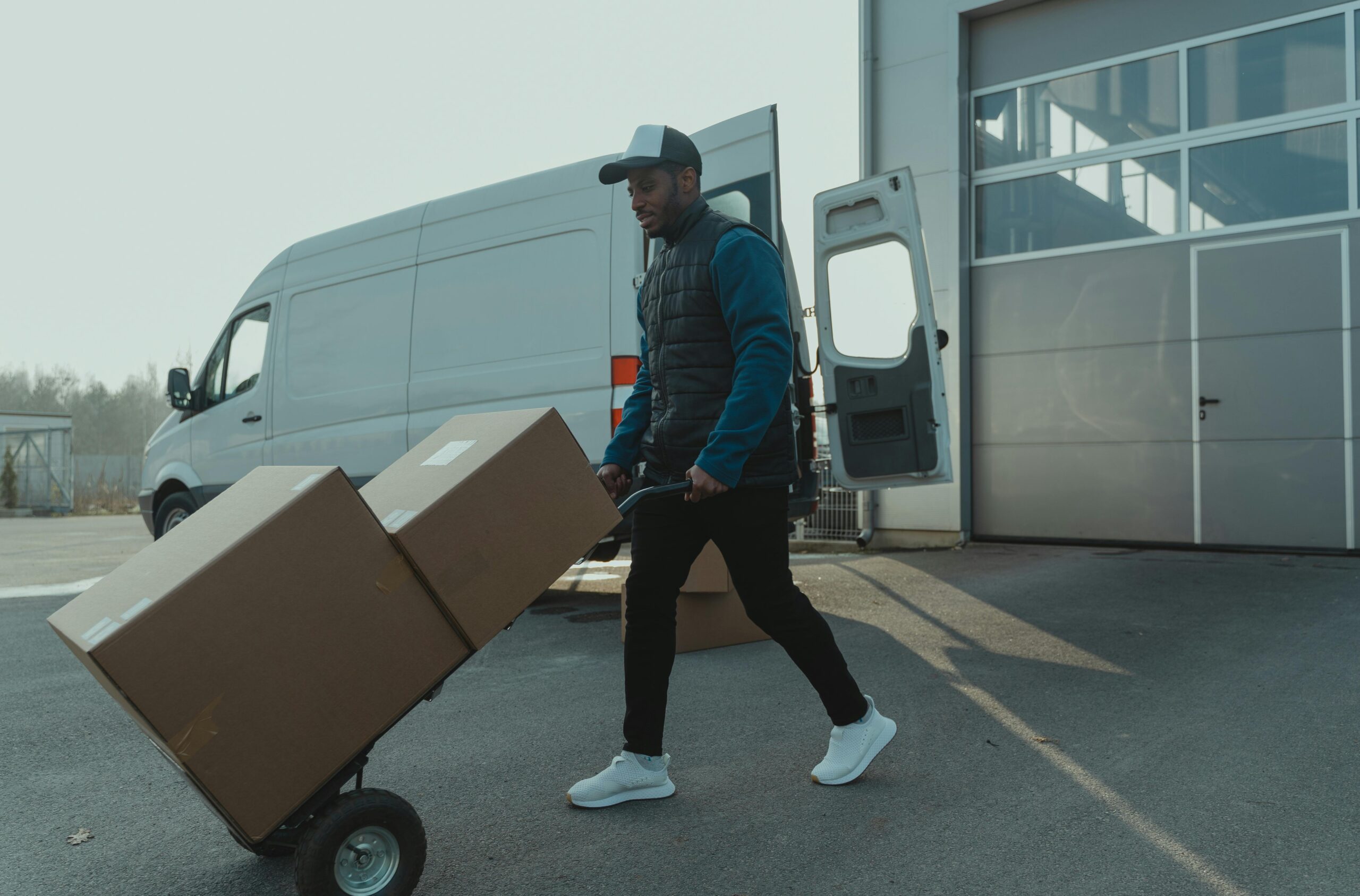
E-commerce growth has piled on even more stress. Customers expect their goods to turn up faster, with precise tracking and fewer mistakes. Peak seasons are no longer just a few tight windows of chaos. Theyre more like a permanent feature, making staffing and space planning way more complicated.
Inventory management has become more complicated too. If you carry too much stock, you end up with a tight cash flow, and if you carry too little, you end up struggling to get things to people on time. A lot of businesses try to handle this all in-house, but the reality is that in-house logistics can’t keep up, especially as order volumes start to rise.
YOU MIGHT ALSO LIKE: Differences Between 3PL and 4PL
How 3PL Partnerships Create a Competitive Edge
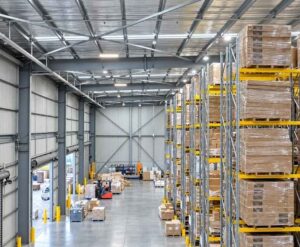
A well-chosen 3PL partner brings some much-needed depth to your operations from day one. Warehousing, pick-and-pack, and order Fulfilment aren’t side things – theyre the very heart of what a 3PL does, and they come with trained teams and processes to match.
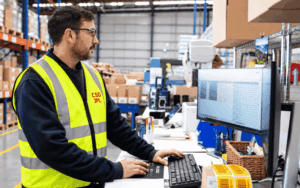
Having the right tech is another big help. Many 3PLs have already invested in the latest warehouse management systems, real-time inventory-tracking tools, and data-analysis software. These things are typically way out of budget for a growing business to set up its own. These tools can help you get stock levels right, reduce mistakes, and get orders out the door faster, often without changing how you sell your products.
Scalability is another significant benefit that often gets overlooked. By partnering with a 3PL, you give yourself the chance to grow during peak periods without having to commit to a whole lot of extra space or labour long term. And when things settle down, your costs come back in line. Thats a flexibility that matters more than ever.
Having a 3PL partner often leads to lower per-order costs and faster dispatch times. It’s all incremental at first, but soon becomes really noticeable.
Future-Proofing Your Supply Chain for 2026
Nobody can predict every single disruption, but building in some resilience is key. A 3PL partner can help with that by providing multiple Fulfilment locations, offering extra capacity as a backup, and generally helping you reduce your reliance on any single thing that could go wrong.
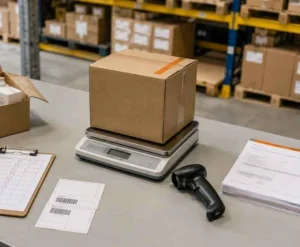
Automation plays a big role, too. You see more and more Fulfilment solutions that are driven by tech, from barcode scanning to forecasting and inventory management. Businesses that get on the bandwagon early are in a much better position to handle occasional spikes in demand without sacrificing accuracy.
Keeping up with regulatory changes and market shifts is another important thing. Whether it’s compliance, delivery expectations, or just the pressure to be sustainable, having a logistics partner that keeps an eye on all of it can save you from last-minute adjustments.
And at the end of the day, it all adds up to a better customer experience. Faster deliveries and more consistent service lead to repeat business, even if the customer never actually sees the logistics behind it all.
Choosing A Partner
Not all 3PLs are created equal. Industry experience does count, especially if you’ve got niche products or handling requirements. A provider that has worked with similar businesses will know what to expect and can help you plan for the challenges ahead.
Being transparent about pricing is also really important. You want a partner who can give you clear, predictable costs, not just the lowest price. That way, you can scale up and down without worrying about big surprise bills down the line.
Integration capabilities can’t be ignored. A good 3PL partner should be able to integrate seamlessly with the ecommerce platforms and systems you already use, minimising disruption during onboarding.
Finally, reliability matters. Track record, service consistency, and the ability to scale alongside your business often outweigh short-term cost savings. Partnering with a 3PL is, after all, a long-term relationship.
Conclusion
Waiting until logistics becomes a bottleneck usually costs more than planning ahead. The businesses that move earlier tend to make calmer decisions, with more options on the table. Partnering with a 3PL in 2026 gives you time to test systems, refine workflows, and build a supply chain that supports growth rather than constrains it.
Ready to Strengthen Your Supply Chain?
CSG 3PL works with Australian small and medium-sized businesses to deliver flexible, scalable warehousing, pick-and-pack, and fulfilment solutions. If you are planning for growth in 2026, now is the right time to explore your options.
Contact us today at (03) 9117 6197 for a tailored quote and practical advice designed around your business.